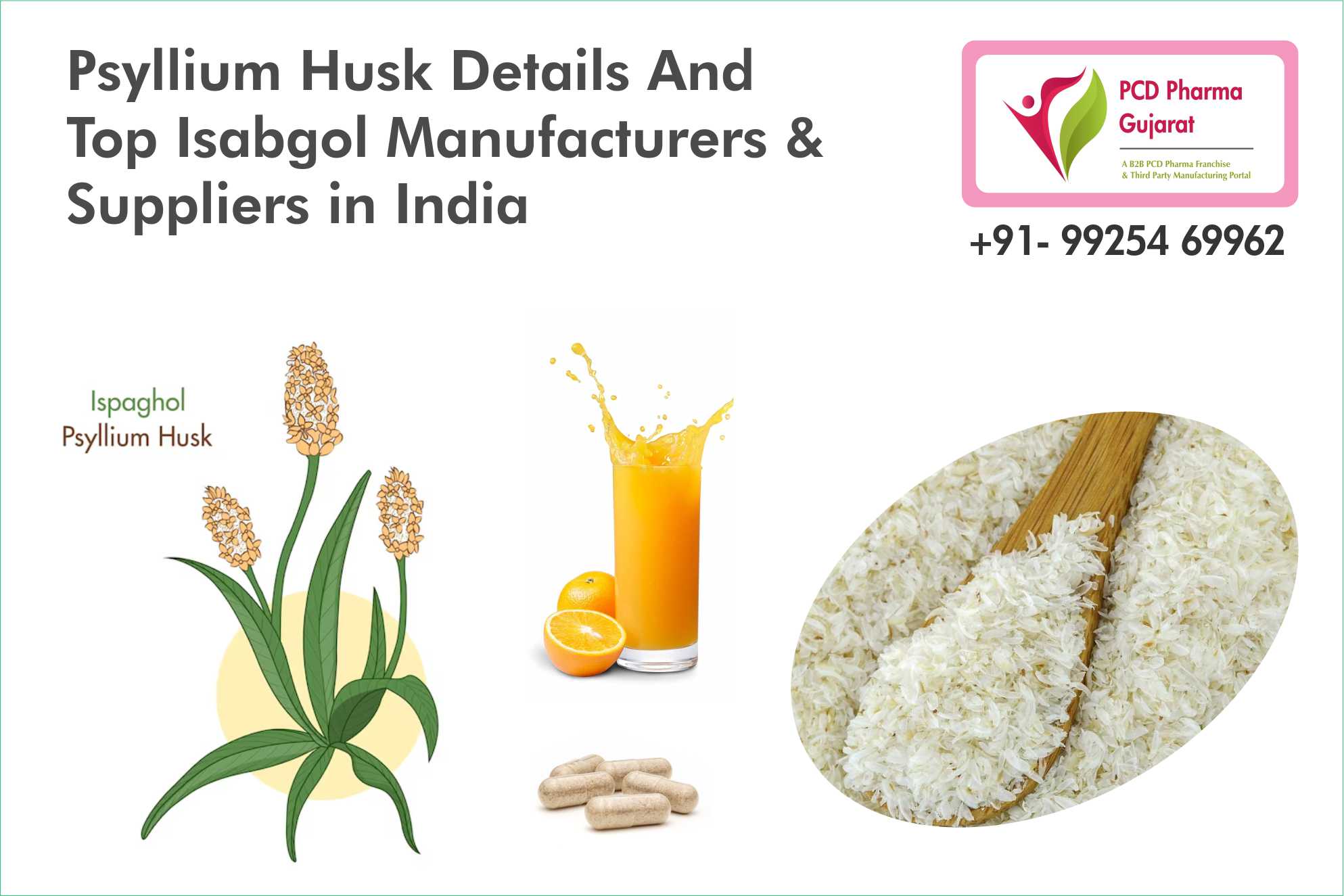
This Article Or Blog is on the Psyllium Husk History, Psyllium Husk Uses, Its Process and info of Some Leading Psyllium Husk Suppliers in India.
History Of Psyllium Husk ( What is The History Of Psyllium Husk? )
Psyllium husk, derived from the seeds of the Plantago ovata plant, has a long history of use in traditional medicine and modern health applications. Here’s an overview of its history:
Ancient Origins
1. Traditional Ayurvedic Medicine (India)
- Psyllium (known as Isabgol in Hindi/Urdu) has been used in Ayurveda for thousands of years, primarily for digestive health.
- Ancient Indian texts mention its use for treating constipation, diarrhea, and other gastrointestinal issues.
- It was also used to soothe urinary tract infections and as a cooling agent in hot climates.
2. Persian and Middle Eastern Medicine
- Persian physicians, including Avicenna (Ibn Sina), documented its medicinal properties in the Canon of Medicine (11th century).
- It was used to cleanse the digestive system and as a remedy for inflammation.
Spread to Europe
- By the Middle Ages, psyllium husk was introduced to Europe through trade routes.
- European herbalists adopted it for its laxative and demulcent (soothing) properties.
- It became a common remedy for digestive disorders in folk medicine.
Modern Medical Use
- 19th–20th Century: Psyllium gained recognition in Western medicine as a bulk-forming laxative.
- 1930s: The Kellogg Company began using psyllium in breakfast cereals to promote digestive health.
- 1960s–1980s: Clinical studies confirmed its effectiveness in managing constipation, diarrhea, and cholesterol levels.
- 1980s–Present: Psyllium became a key ingredient in over-the-counter fiber supplements (e.g., Metamucil) and heart-health products due to its soluble fiber benefits.
Scientific Validation
- FDA Approval (1998): The U.S. Food and Drug Administration approved a health claim stating that psyllium husk reduces the risk of heart disease when consumed as part of a low-fat diet.
- Diabetes & Weight Management: Studies show it helps regulate blood sugar and promote satiety.
Current Uses
- Digestive Health (constipation, IBS)
- Cholesterol & Heart Health
- Blood Sugar Control
- Weight Loss & Detox
Today, psyllium husk remains a natural, widely used fiber supplement with a rich history spanning multiple cultures and medical traditions.
Psyllium Husk Farming: Short Details
1. Plant Basics
- Scientific Name: Plantago ovata
- Common Names: Psyllium, Isabgol (India), Blond Psyllium
- Growth Climate: Thrives in dry, cool climates (optimal temperature: 15–30°C).
- Main Producers: India (largest producer, especially in Gujarat & Rajasthan), Pakistan, Iran, USA, and Australia.
2. Cultivation Process
- Soil: Well-drained sandy loam or light soils (pH 6–8).
- Sowing Time: October–November (in India) or spring (in temperate regions).
- Seed Rate: ~5–6 kg per hectare.
- Irrigation: Requires light, frequent watering (drought-tolerant but needs moisture during germination).
3. Harvesting & Processing
- Maturity: Crop ready in 120–130 days.
- Harvesting Method: Plants are cut, dried, and threshed to separate seeds.
- Husk Extraction: Seeds are crushed and sieved to obtain the husk (outer coating).
4. Yield & Economics
- Husk Yield: ~1,000–1,500 kg per hectare.
- Market Demand: High for pharmaceutical, food, and nutraceutical industries.
5. Challenges
- Pests/Diseases: Aphids, root rot (controlled with organic pesticides).
- Weather Sensitivity: Heavy rains can damage crops.
Psyllium farming is low-cost, high-profit for farmers in arid regions, driven by global demand for natural fiber.
Psyllium Husk Processing
- Cleaning: Seeds are washed to remove dirt and impurities.
- Drying: Sun-dried or machine-dried to reduce moisture.
- De husking: Seeds are mechanically crushed to separate husk from the inner core.
- Sieving: Husk is filtered through fine mesh to remove leftover seed particles.
- Polishing: Further refined for purity and smooth texture.
- Grading: Sorted by quality (fine, superfine, etc.).
- Packaging: Packed in airtight bags for export or retail.
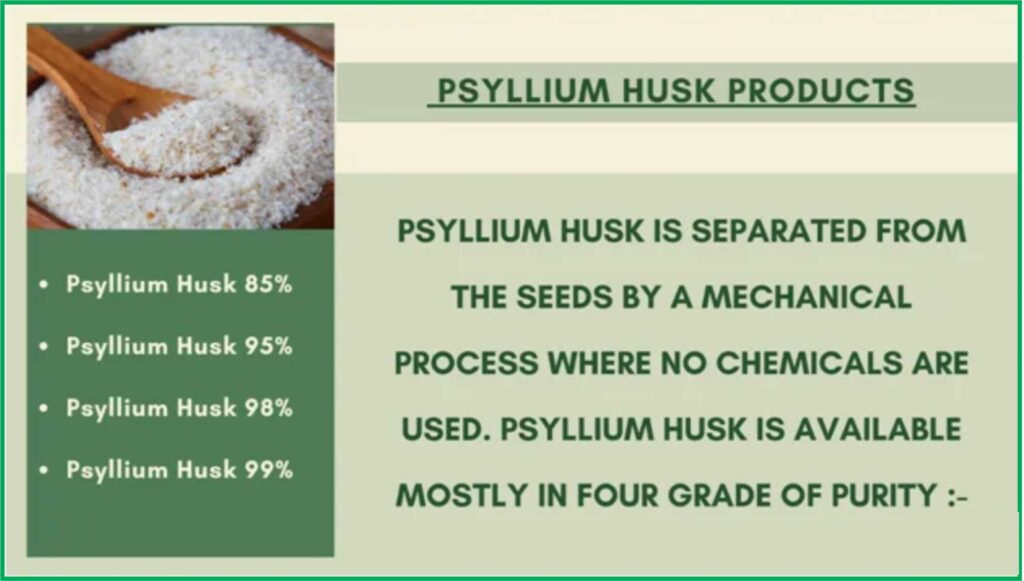
Final product is used in pharma, supplements, and food industries.
Top Leading Psyllium Husk & Husk Products Suppliers in India
- Satnam Psyllium Industries – Leading Manufacturer based in Gujarat.
- Green Cross Remedies – Supplies bulk psyllium husk & Psyllium Formulations for global markets.
- Jyotindra International – Specializes in quality psyllium powder.
- Sentonssa Wellness Pvt. Ltd. – Known for pharmaceutical-grade psyllium Husk products Manufacturer and Supplier.
- Kamal And Sons – Finished Psyllium Husk Supplier.
- Virdhara International – Trader and Manufacturer of raw husk and powder.
- Sat Isabgol Factory (Telephone Brand) – Traditional manufacturer Of Branded Psylium Husk in India.
- Sarvoday Isabgol – Provides refined psyllium Powder.
- Abhyuday Indutries – Provides refined psyllium for food & supplements.
In India Main Market of Psyllium Husk is Sidhpur, Unjha, Jodhpur etc…
India dominates global psyllium trade, with Gujarat & Rajasthan as key production hubs.